
They’re also looking to see if there are long-term benefits to following this eating schedule for many years. It’s not recommended for people under 18 years of age, women who are pregnant or breastfeeding, or some people with diabetes, kidney disease, or heart issues. “I would recommend something like the 16/8 approach over the other methods if you choose to try intermittent fasting, because you are still eating something each day. It’s not easy to skip most of your calories a few days a week and rely mostly on water, coffee, and tea to keep you feeling full. You’ll need a balanced meal plan to eat in moderation even on your so-called “feast” days, despite their name.
For the average adult, intermittent fasting can be a viable and healthy solution to lose weight. This form of dieting is not recommended for some individuals, such as growing children, athletes following a strict workout plan, or individuals with type-1 diabetes. For growing children, a diet plan is only recommended in certain situations. In most cases, children are taught how to eat healthier and make lifestyle changes to improve weight.
Intermittent Fasting: Does It Work? And Is It Healthy?
When you eat a typical diet, your body has a steady supply of sugar, primarily from carbohydrates. But when you go hours without eating, you burn up all of your stored sugar. When that happens, your body burns stored fat as fuel, which is called metabolic switching. That’s why intermittent fasting can help you lose weight and body fat. During fasting periods, you typically consume only water, tea, coffee or other calorie-free beverages.
How to make health and wellness decisions informed by ‘evidenced-based’ practices
- Slowly reduce the time window for eating, over a period of several months.
- When we eat, our gallbladder empties bile into the digestive tract; when we fast, it holds bile inside for long periods.
- If you want to experiment with fasting, try to go into it slowly.
- Even when eating the same amount of food overall, those in the ADF group stopped following the plan earlier than those eating a regular diet.
- During the hours or days when you are eating, choose a diet full of healthy foods.
- A hour fasting period each day may cause beneficial metabolic changes, including weight loss, decreased insulin levels and cholesterol, and improved memory and cognition.
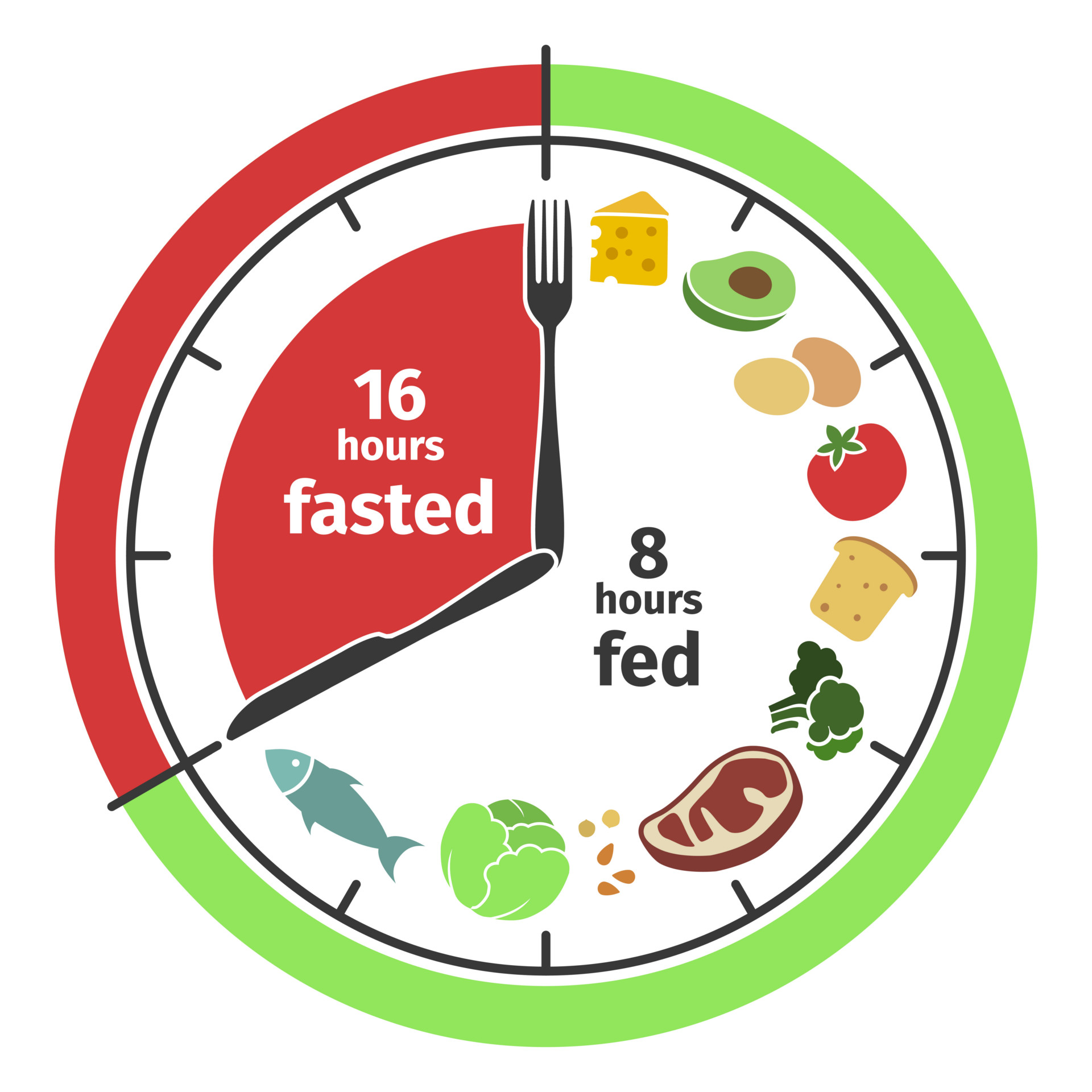
Other versions of time-restricted eating include 18/6, where you eat during a 6-hour window, and 20/4, which would see you limit your food intake to a 4-hour window. This form of intermittent fasting extends the period of fasting that naturally happens when you sleep. People who practice intermittent fasting switch between periods of eating and periods of fasting. If your main goal is health benefits and not loss of body fat or weight, counting calories is probably not necessary.

It’s important to focus on high-fiber and high-protein foods to help fill you up and keep calories low when fasting. This twice-a-week approach to intermittent fasting focuses on capping your calories at 500 for two days a week. During the other five days of the week, you maintain a healthy and normal diet. In this time-restricted method, you have set intermittent fasting times and specific windows where you can eat.
GLP-1 medications explained: Benefits, risks and how they work
It is one of the many mechanisms of cellular repair.” In any case, fasting isn’t the only way to increase this natural process. As most people already fast while they sleep, this method is popular. Download the app today and take a hands-on approach to your healthcare. Get articles and stories about health, wellness, medicine, science and education delivered right to your inbox from the experts at Ohio State. An Ohio State expert explains the many benefits of Swedish death cleaning, a decluttering method designed to make things easier for the people you leave behind. From nutritional tips to the latest health research and more, find news that helps you focus on achieving optimal health and wellness.
Just eating several small, healthy meals a day will most likely do the trick, says Sproat. What you eat during allotted eating hours is just as important as what you don’t during fasting hours, says Sproat. During fasting hours, many people limit their consumption to water and/or other low-calorie beverages. Here’s what to know about the benefits, risks, and best practices of intermittent fasting.
When Medications Don’t Help: Surgery for Epilepsy
For more nutrition advice, connect with a registered dietitian to create a plan to help achieve your health and wellness goals or discover our Healthy Weight program. Your weight is determined by many factors, and weight management can be very personal. Our expert guide to weight loss and weight management can help simplify. Even when eating the same amount of food overall, those in the ADF group https://learnmuscles.com/blog/2025/11/25/unimeal-weight-loss-app-review-12-reasons-to-trust/ stopped following the plan earlier than those eating a regular diet.
If you feel an overwhelming need for food, or become nauseous or dizzy, eat or drink something. An actual 100 percent fast every other day is uncommon, and could cause some loss in muscle mass over time. The 16/8 fast seems to fit our normal work schedules pretty nicely, and has all of the benefits of fasting without getting to the point of muscle loss. People who have done IF before may see benefits from longer fasts as their bodies adjust to the routine. In the end, pick a window that works with your schedule and lifestyle.
#1. Intermittent fasting may make you feel sick.
In some cases, the health trend can serve as a type of cleanse by feeling healthier and increasing a sense of clarity in the mind. In addition, following an intermittent fasting plan can help individuals make healthier choices when eating as well as being more mindful about what to eat and when to eat. Typically, individuals find intermittent fasting as an easier and more sustainable form of dieting than caloric restriction diets. However, practicing a healthy diet is still needed for individuals to see success from the dieting regimen. During the hours or days when you are eating, choose a diet full of healthy foods. After all, filling up on high-calorie, low-nutrition foods, such as fast food, soda pop, and desserts, could hurt your efforts to lose weight and get healthier.
UVA Health
Overall, eating a well-balanced diet that supports your lifestyle is key to nutritional wellness, Sproat says. Quality sleep, physical activity, and mental/emotional health play an active role, too. Intermittent fasting can help restore some order to daily eating habits, too. That could mean walking for 30 minutes a day or substituting sugary juices with real fruit instead. Whatever it is, making incremental changes for the better can help you not just lose weight but keep you from yo-yoing back.
Intermittent Fasting Review
More broadly, she says, the focus on the science behind fasting “moves us further away from people trusting their bodies. “Make sure those meals you’re eating are healthy and balanced with a variety of fruit, vegetables, whole grains, lean protein, and healthy fats,” Sproat says. Keep in mind that no one is 100% certain how intermittent fasting works. Furthermore, no two people respond the same to any given diet, so there’s no guarantee that any claims about the benefits of intermittent fasting will prove true for you. That’s another good reason to check in with your doctor before starting any new diet.
FIND CARE
There are variations of intermittent fasting, and nearly endless options to personalize it to your preference. Most people tend to do what is called the 16/8 approach, in which you have an eight-hour window each day to eat, and you fast for 16 hours per day from all food and any beverages with calories. While some approaches to intermittent fasting can be part of a healthy lifestyle, it’s important to consult a health care professional before starting any type of restrictive eating plan or new diet. Some studies have also found that participants on intermittent fasting regimens lost muscle. Doctors also caution that some people who try intermittent fasting overeat unimeal reviews consumer reports on non-fasting days or hours. If you’re older, losing too much weight could affect your bone health, immune system, and your energy level.
Healthy Headlines
While researchers are still studying intermittent fasting, some research has shown it offers some health benefits. For starters, it’s common to lose weight when following intermittent fasting. That’s because your body is using fat—not glucose—as its energy source. Additionally, if you make wise food choices when you do eat, you’re likely eating fewer calories than before you started intermittent fasting.
Intermittent fasting appears to improve cholesterol levels and other factors that increase the risk for heart disease. But there are some clues that some forms of this diet may actually be bad for your ticker. One form of intermittent fasting called time-restricted eating limits the period you can eat to an 8-hour window each day. More research on the link between intermittent fasting and heart health is necessary, but this study raises important questions. Some studies, but not all, show that intermittent fasting improves how the body uses the hormone insulin, which could help prevent or improve control of type 2 diabetes by lowering blood sugar levels.